The Evolution of Gaming: What to Expect in 2026
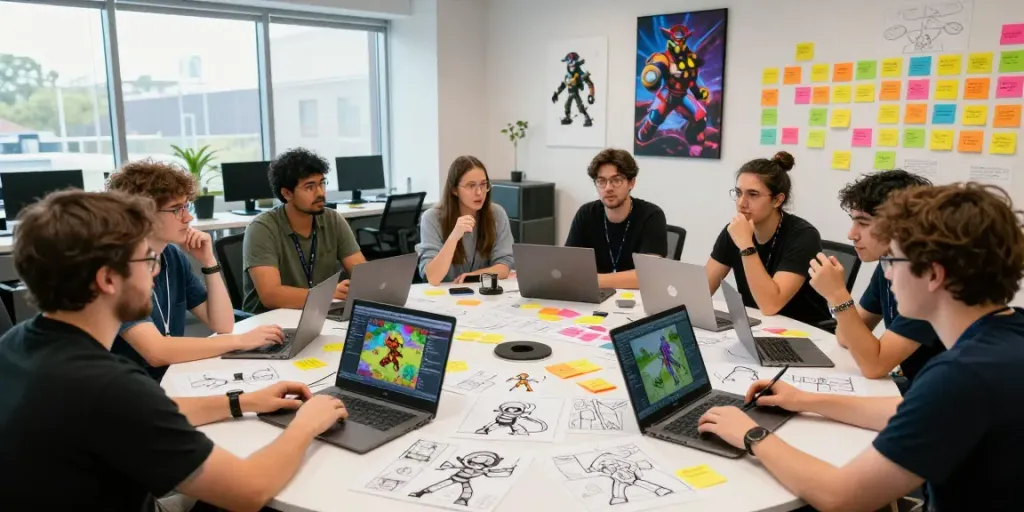
The gaming industry is a dynamic ecosystem that evolves rapidly, propelled by technological advancements and shifting player preferences. By 2026, we can anticipate significant transformations in how games are developed, played, and monetized. A focus on immersive experiences, personalization, and community engagement will redefine player interactions. Companies like ggsoft are at the forefront of this evolution, proficiently blending state-of-the-art technology with creative game design to elevate player engagement.
Historical Context: Gaming Innovations Over the Years
To comprehend the upcoming changes, we must first consider the historical trajectory of gaming innovations. From the early days of pixelated graphics and simplistic gameplay in the 1980s to the breathtaking 3D worlds of today, every phase of this evolution has introduced groundbreaking technologies. Major milestones include the introduction of online multiplayer gaming, the rise of mobile gaming, and the development of virtual and augmented reality experiences. These advancements have laid the groundwork for the future landscape of gaming.
Current Trends Influencing Game Development
As we look towards 2026, various trends are currently shaping the gaming industry. One significant trend is the growing emphasis on cross-platform play, allowing gamers to interact seamlessly across different devices. Additionally, the integration of artificial intelligence is enhancing gameplay mechanics, enabling developers to create more realistic and engaging environments. The demand for mobile gaming continues to surge, with players seeking high-quality experiences that can be enjoyed on-the-go. Furthermore, social gaming is becoming increasingly popular, merging recreational play with social networking features.
Future Predictions: The Next Big Breakthroughs in Gaming
Looking ahead, several breakthroughs promise to revolutionize the gaming experience. We expect advancements in cloud gaming technology to make high-quality gaming more accessible, eliminating the need for expensive hardware. Furthermore, as augmented reality tools become more sophisticated, we might see a rise in games that blend real-world environments with digital elements. Another prediction involves the rise of personalized gaming experiences, where AI curation will allow games to adapt dynamically to an individual player's preferences and play style.
Understanding Player Expectations: User Experience in 2026
Player expectation is paramount in the gaming industry, and understanding how it will evolve is essential for developers. As technology advances, players will seek unparalleled experiences that resonate personally. Gaming in 2026 will prioritize user engagement by delivering tailored content and interactive narratives that adapt to each player.
Analyzing Player Demographics and Preferences
The demographic makeup of gamers is shifting, with a notable increase in diversity across age, gender, and gaming preferences. Developers must recognize these nuanced variations and tailor their offerings accordingly. For instance, younger players may prefer fast-paced, competitive games, while older generations might favor more strategic and immersive experiences. The inclusion of diverse characters and stories will become a focal point to attract a broader audience.
Enhancing User Experience through Personalization
In an age where personalization is key, game developers will strive to create experiences that resonate on an individual level. This includes leveraging player data to offer customized gameplay options, such as difficulty adjustments and content recommendations. Personalization will not only enhance player satisfaction but also increase retention rates, keeping players engaged longer.
Addressing Common Pain Points in Gameplay
While gaming has become more sophisticated, many players encounter persistent pain points, such as frustrating mechanics, long loading times, or lackluster support. Addressing these issues will be critical in maintaining player loyalty. Developers will need to streamline game performance and provide efficient customer support channels to manage player inquiries effectively.
The Role of Technology in Gaming Development
The synergy between technology and creativity will significantly dictate the direction of gaming development in the coming years. Embracing new technologies will enable developers to push the boundaries of what is possible in gaming.
Integrating AI and Machine Learning in Gaming
Artificial intelligence has begun to shape the gaming landscape dramatically. By 2026, AI and machine learning will play critical roles in creating adaptive game environments, enhancing NPC interactions, and personalizing player experiences. These advancements will allow for more intelligent game mechanics that respond to player actions and decisions, making gameplay feel more immersive and reactive.
Impact of Blockchain on Game Ownership and Monetization
The rise of blockchain technology is set to disrupt traditional gaming monetization models. By enabling true ownership of in-game assets through NFTs (non-fungible tokens), players can buy, sell, and trade their in-game items on blockchain networks. This shift will empower gamers, creating new revenue streams and ultimately changing how developers design their monetization strategies.
Advancements in Graphics and Virtual Reality Technologies
As technology continues to evolve, graphics will become more breathtakingly realistic, enhancing the immersive capabilities of gaming. With advancements in virtual and augmented reality technologies, players may find themselves fully enveloped in their gaming environments. By 2026, we could witness games that blur the lines between reality and virtual experiences, enhancing player engagement and emotional investment.
Strategies for Game Developers in a Competitive Market
Competing in the ever-crowded gaming market requires innovative strategies and a keen understanding of player dynamics. Developers must implement effective marketing and community engagement techniques to stand out.
Effective Marketing Techniques for New Game Releases
Crafting a successful marketing strategy for new game releases involves leveraging social media, influencer partnerships, and targeted advertising. Engaging potential players through interactive content, trailers, and behind-the-scenes looks can generate buzz and anticipation leading up to launch. Furthermore, incorporating player feedback during the development phase can create a sense of investment and community ownership around the game.
Community Building: Engaging Players Beyond the Game
The gaming community is more vibrant than ever, and developers must focus on building strong connections with their players. Establishing platforms for community discussion, hosting events, and providing regular content updates will keep players engaged long after they finish the game. Creating a loyal fanbase not only enhances player retention but also generates valuable word-of-mouth marketing.
Adapting to Rapid Change: Agile Development Practices
In the rapidly evolving landscape of gaming, adopting agile development practices will be crucial. This iterative approach allows developers to respond swiftly to player feedback, market trends, and technological advancements. By prioritizing flexibility and rapid prototyping, teams can iterate on game design more efficiently, ultimately resulting in a product that meets and exceeds player expectations.
Looking Ahead: The Future of GGSoft and Gaming
As we envision the future of gaming, companies like GGSoft are well-positioned to lead the charge in creating immersive, player-centric experiences. Their focus on innovation, community engagement, and technological integration will shape the industry landscape over the next few years.
Growth Opportunities in Emerging Markets
The global gaming market continues to thrive, with significant growth opportunities emerging in regions like Asia, Latin America, and Africa. Understanding cultural preferences and local gaming habits will be vital for developers to tailor their offerings effectively. Localization efforts, including language support and culturally relevant content, can significantly enhance player engagement in these regions.
Expanding Game Genres and Experiences
The diversification of game genres is another trend to watch. As player interests evolve, we can expect to see more hybrid genres that blend elements from various gameplay styles. Developers should remain open to experimenting with gameplay mechanics and narratives that resonate with evolving player demographics. This willingness to innovate will ensure that games appeal to a wider audience.
Expert Insights: What Leaders in Gaming Are Saying
Industry leaders often provide invaluable insights into the future of gaming. Their perspectives on trends, player expectations, and technological advancements can serve as guiding principles for developers. Listening to thought leaders in the industry can inspire creativity and highlight potential risks or opportunities within the evolving gaming landscape.
What are the most anticipated gaming trends for 2026?
Anticipated trends for 2026 include a greater focus on personalized gaming experiences, the rise of cloud gaming, and the integration of advanced AI in gameplay. Developers will need to adapt to these trends to remain competitive.
How can developers enhance user experience in games?
Developers can enhance user experience by integrating feedback loops, personalizing gameplay options, and continuously refining game mechanics to address player pain points.
What technological advancements will shape the future of gaming?
Technological advancements such as AI, blockchain, and AR/VR will significantly shape future gaming experiences, leading to more immersive and player-driven environments.
How can game marketing strategies adapt to changing markets?
Game marketing strategies should adapt by leveraging social media platforms, engaging communities, and focusing on player-driven content to generate buzz and interest.
What insights can gaming leaders provide about the industry's future?
Leaders in gaming often highlight the importance of innovation, adaptability, and understanding player demographics as key components for success in an ever-evolving industry.